Attempting Tree Removal Yourself
One of the biggest mistakes homeowners make is attempting to remove a tree themselves. What looks like a simple weekend project often turns into a nightmare of crushed fences, damaged roofs, or worse: serious injuries. In North Carolina, where we have everything from towering oaks to sprawling pines, even a medium-sized tree carries thousands of pounds of unpredictable weight.
The math is simple but brutal. A 50-foot oak can weigh over 10,000 pounds, and once you make that first cut, physics takes over. Homeowners who rent a chainsaw from the hardware store rarely account for lean, wind, decay pockets, or how branches will shift mid-cut. One miscalculation and that tree is crashing through your living room instead of landing safely in the yard.
Professional tree removal services bring more than chainsaws. They bring years of training in rigging, fall zones, and crisis response. They know how to read a tree’s structure, identify weak points, and section it down safely when there’s no room for error. In Mocksville and the surrounding areas, where summer storms weaken limbs and ice damage is a real winter threat, that expertise is not optional.
The cost of DIY disaster is steep. Property damage easily runs into five figures, medical bills pile up fast, and your homeowner’s insurance may deny claims if they determine you were negligent. Hiring a licensed tree removal company upfront costs a fraction of what you will pay after something goes wrong.
Hiring Uninsured or Unlicensed Workers
Hiring the cheapest guy with a truck and a chainsaw might save you money today, but it can bankrupt you tomorrow. Unlicensed and uninsured tree contractors are everywhere, especially after storm season when demand spikes and desperate homeowners grab the first number they find online or on a flyer.
Here is what happens when things go sideways. An uninsured worker gets hurt on your property, and suddenly you are facing a lawsuit and medical bills because your homeowner’s policy will not cover someone else’s employee. Or the crew drops a massive limb on your neighbor’s car, and guess who is liable? Not the guy who disappeared the moment the check cleared.
North Carolina does not require state licensing for tree work, which makes it even easier for fly-by-night operators to set up shop. That means the burden is on you to verify credentials. A legitimate tree company will carry general liability insurance and worker’s compensation, and they will gladly show you proof before they touch a single branch.
The warning signs are obvious once you know what to look for. No written estimate, cash-only pricing, pressure to decide immediately, and vague answers about insurance. Professional tree removal companies in Mocksville provide detailed quotes, walk you through the process, and stand behind their work. When you are comparing bids, do not just look at the bottom line. Look at who is actually going to show up and whether they will still be around if something goes wrong.
Ignoring Local Permits and Regulations
Many homeowners assume they can remove any tree on their own property without asking permission. That assumption can cost you thousands in fines and force you to plant expensive replacement trees. Local ordinances in Davie County and surrounding areas often protect certain species, sizes, or heritage trees, and removing them without approval is illegal.
Even if the tree is dead, leaning, or threatening your foundation, you may still need a permit. Some municipalities require approval for any tree over a certain diameter, while others have rules tied to lot size, proximity to property lines, or whether you are in a designated conservation zone. Homeowners who skip this step often find out the hard way when a neighbor reports them or a building inspector notices during an unrelated visit.
The permit process is not designed to stop you from removing a dangerous tree. It exists to make sure you are doing it legally and safely, and that you are not wiping out a 100-year-old oak that the whole neighborhood values. Most local tree removal services know the regulations inside and out and can handle the permitting process as part of the job. They will tell you upfront whether a permit is needed, what documentation to gather, and how long approval typically takes.
Ignoring permits does not just risk fines. It can also interfere with future property sales, since title companies and inspectors sometimes flag unpermitted work. If you are unsure whether your removal requires approval, a quick call to your local planning department or a reputable tree removal company will give you a clear answer.
Failing to Check for Utility Lines
Trees growing into or near power lines are one of the most dangerous removal scenarios a homeowner can face. Every year people are killed or seriously injured because they underestimated the risk of working around live electrical lines. Even if the tree is not touching the line right now, it can shift unpredictably during cutting and make contact, sending tens of thousands of volts through the trunk, your tools, and you.
You cannot insulate yourself from this risk with rubber gloves or by staying a few feet away. Electricity can arc through the air, especially in humid conditions or if the line is damaged. If a branch even gets close to a power line during the fall, the results can be fatal. This is not a situation where you learn from mistakes. There are no second chances.
Before any tree work begins near overhead lines, the utility company needs to be notified. In many cases, they will de-energize the line temporarily or send a crew to clear the immediate hazard zone. A professional tree removal service will coordinate this for you and will refuse to proceed until the area is safe. They have the training and equipment to work around utilities when de-energizing is not possible, but even then, it requires extreme caution and specialized techniques.
In Mocksville, where older neighborhoods have mature trees towering over service lines, this is a common issue. Homeowners often call asking whether they can trim a branch themselves, and the answer is almost always no if there is any proximity to electrical infrastructure. The few hundred dollars you might save by doing it yourself is not worth your life or the lives of your family members. Let the professionals handle anything involving power lines.
Using Improper or Inadequate Equipment
Renting a chainsaw and a ladder is not a tree removal plan. It is an emergency room visit waiting to happen. Homeowners routinely underestimate the equipment needed for safe, efficient tree work, and that miscalculation leads to injuries, property damage, and jobs that take three times longer than expected.
A quality chainsaw is just the starting point. Depending on the size and location of the tree, you may also need rigging ropes, pulleys, a wood chipper, stump grinder, bucket truck, and an array of safety gear including helmets, eye protection, gloves, and cut-resistant pants. Even if you could rent all of that, do you know how to use it properly? Rigging a tree so it falls in sections without destroying your landscaping is a skill that takes years to develop.
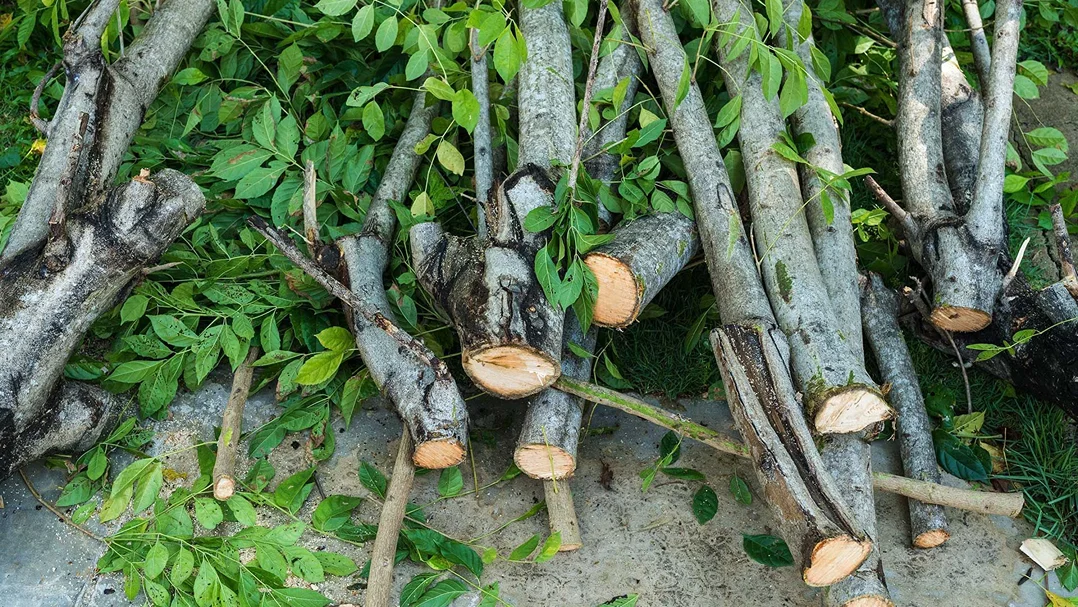
Then there is the question of cleanup. A mature oak or pine generates tons of wood and debris. Homeowners who tackle removal themselves often end up with a giant pile of logs and branches sitting in the driveway for weeks because they have no way to process or haul it. Professional tree removal services bring chippers and trucks to clear everything the same day, leaving your property clean and ready to use.
The cost of renting equipment adds up fast. By the time you factor in a chainsaw, safety gear, a chipper, and a truck to haul debris, you are often close to what a professional crew would charge, except they bring the expertise to do the job safely and correctly the first time. In North Carolina’s unpredictable weather, where a sunny morning can turn into an afternoon thunderstorm, having the right equipment and the experience to use it efficiently is the difference between a successful project and a costly disaster.